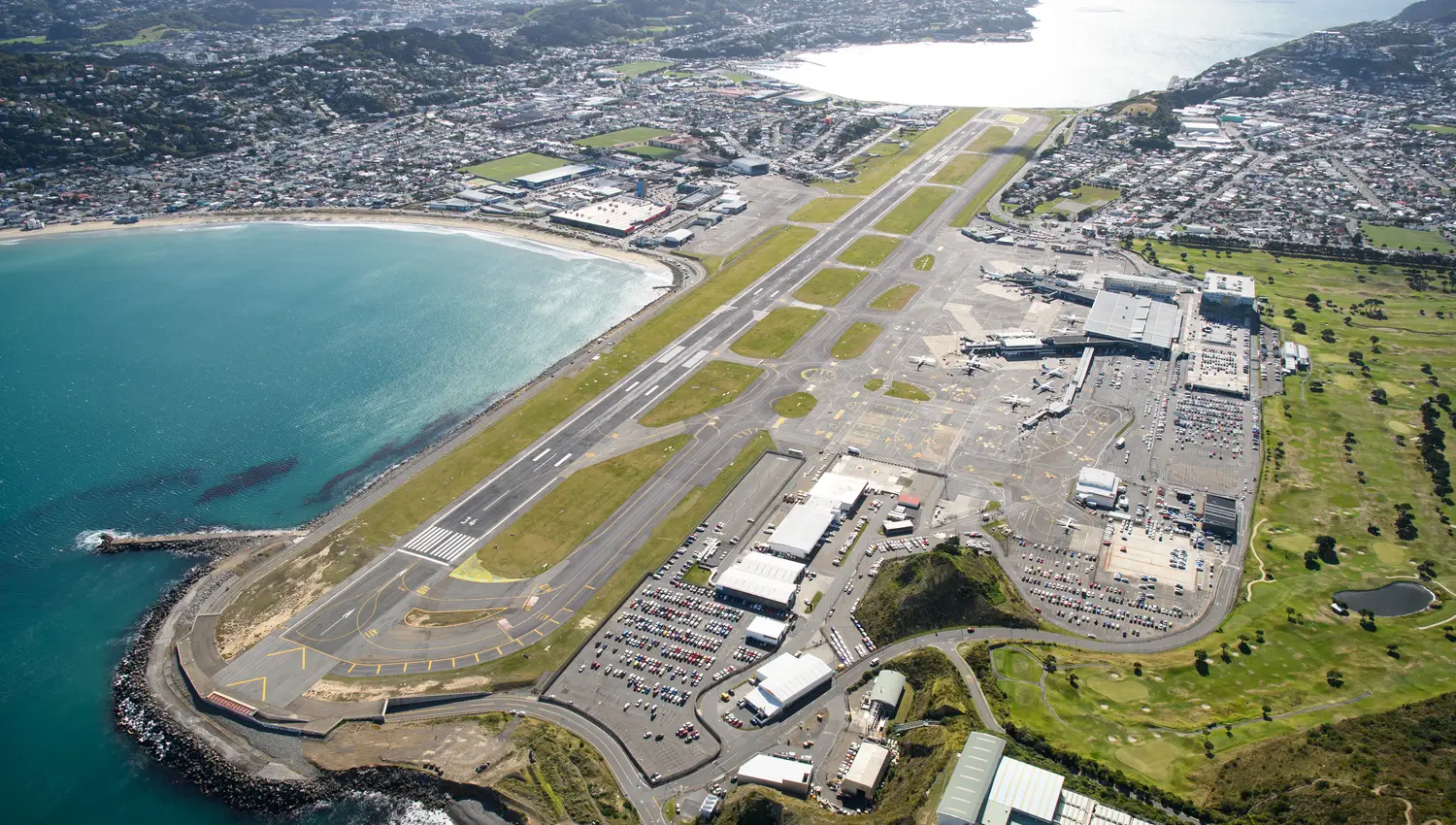
With the ocean on its doorstep and surrounded by homes built along steep hillsides, Wellington Airport’s environmental compliance is more complex than its counterparts in other regions.
For Environmental Compliance Planner James Dobson, staying on top of hundreds of consent and designation conditions isn’t simply a legal obligation – it’s fundamental to protecting the airport’s reputation and social licence to operate.
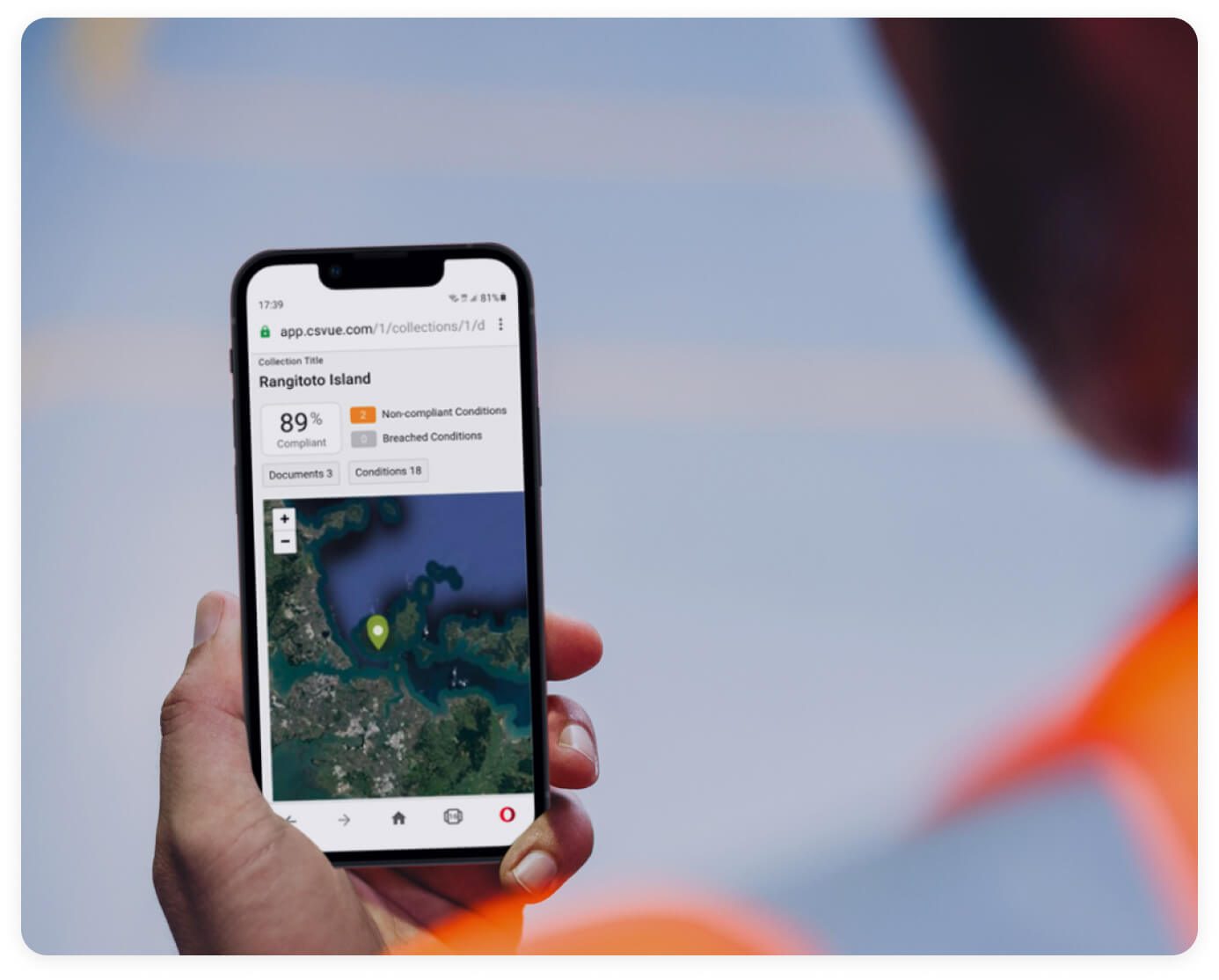
In early 2023, Wellington Airport implemented CSVUE to help bring structure, visibility and consistency to the complex world of resource consents, management plans and monitoring obligations. Since then, the platform has become a core part of its compliance network.
A busy airport with mounting compliance pressures
Unlike airports located in industrial zones or semi-rural areas, Wellington Airport sits amongst residential suburbs – which makes environmental compliance uniquely challenging.
“Compared to a lot of other New Zealand airports, we’re in a pretty unique environment with residents so close to us. They’re on hills too, which from a noise perspective means they’re quite exposed,” James explains.
The airport must maintain compliance with roughly 300 separate consent and designation conditions, covering everything from aircraft noise to stormwater discharge quality. These conditions come with management plans that include their own tasks, monitoring expectations and reporting requirements.
Before CSVUE, the airport mostly relied on what James describes as “the usual File Explorer kind of thing.” The manual process was long-winded and prone to errors. It also offered no structured workflow, automated reminders or consolidated reporting.
While this system had served it for years, the airport was rapidly expanding. With more flights and passengers, and multiple construction projects on the go, it needed a simpler and more reliable system.
“The worst-case scenario is receiving a fine or legal penalties for not being compliant. But it doesn’t do our reputation any good either,” James explains. “For our development projects, it could mean huge delays.”
A single, reliable system of record
CSVUE gave Wellington Airport a centralised, reliable system for managing all of its consent and designation conditions, offering a clear overview of all current requirements, upcoming deadlines, attached reports and completed tasks. James joined the organisation at about the same time as CSVUE was implemented and says it’s a critical part of his day-to-day.
“It’s a good way of keeping all the records in one place, and they’re easy to find,” James says. “I can’t imagine managing this in a spreadsheet. It’d be quite difficult to track everything.”
The platform makes it easy to quickly retrieve results, reports and evidence – which are critical in an environment where council audits and internal board reporting can have tight turnaround times.
By consolidating this information, CSVUE reduces the risk of lost files or duplicated work, ultimately creating a reliable compliance ecosystem.
Automation reduces the risk of missed deadlines
James says one of CSVUE’s most valuable features is the automated reminder and notification system. Consents contain many statutory timeframes, often involving strict working-day deadlines for submitting reports to the council. The automated prompts keep the organisation ahead of every requirement. Because James checks the system daily, it has become an integral part of his workflow.
“It’s constantly reminding me by email, and I’m checking it daily. There are some great notification settings,” he says.
Alongside protecting the airport from regulatory breaches, these automations help it effectively manage an ever-increasing workload. The leadership team has greater confidence that the airport is meeting compliance obligations and can get access to evidence when needed.
“If my manager follows up with me and says we need to provide this report to show that we’ve complied with this condition, I just go to the condition task in CSVUE – and the report is attached there,” says James.
Smooth, more coordinated compliance
In CSVUE, James can let project managers access the consent conditions of their particular development projects. It reinforces a culture of shared responsibility and means James can avoid being an unnecessary bottleneck – the project managers can check on crucial information themselves.
“The project managers are definitely thankful that everything is tracked and recorded. They can also make sure their contractors know what conditions they’re dealing with.”
Building stronger community relations
Wellington Airport has obligations that go beyond just legal compliance. It also has social and community responsibilities, like managing aircraft noise and keeping nearby residents informed.
CSVUE has become the central repository for key community-related documents, like the Airport Noise Management Plan. This makes it simple for the airport to track and manage the plan, and show evidence for the work it’s doing on the ground.
“It’s a big one in maintaining relationships with the wider community,” James adds.
Confidence, clarity and control
For Wellington Airport, CSVUE improves transparency with councils, enables timely and accurate reporting, supports collaboration across development projects, and reinforces the airport’s commitment to its surrounding community. Above all, it allows a small team to manage a large and continually evolving regulatory environment with confidence.
James is a big believer that CSVUE would deliver the same benefits for any organisation facing intricate, ongoing compliance demands.
“Even beyond consent compliance, it’s a great way of keeping up to date with everything, especially if you’ve got a large workload,” he says.
Increase compliance confidence in your organisation: Get in touch with the CSVUE team today.